This is glucose aversion, and if your gel baits worked for two weeks and then quit, it’s the most likely reason. It’s not a mystery, it’s not bad luck, and it’s beatable, but only if you understand what actually happened, because the instinct it triggers (buy stronger bait, put down more of it) is exactly the wrong move.
Sugar Is the Delivery Truck, Not the Weapon
Every gel bait is two things pretending to be one. There’s the active ingredient: the actual insecticide, a tiny fraction of the gel. And there’s the matrix: the food base built to be irresistible, usually loaded with glucose and other sugars, whose only job is to get the roach to take a bite.
The poison doesn’t attract anything. The sugar does all the recruiting. A German cockroach finds the bait, tastes sweetness, eats, carries the dose back to the harborage, and dies there, where other roaches feed on the corpse and droppings and take the dose secondhand. That relay is why bait beats spray: one feeding roach can seed a kill through a colony it never physically touched. (That chain reaction is the whole engine behind the three-phase system: bait works because roaches poison each other.)
But pull the thread: if the sugar is what makes the roach take the first bite, what happens when the roach decides the sugar is disgusting?
The delivery truck never leaves. The weapon never arrives.
What Glucose Aversion Actually Is
In the late 1980s, roaches in the field started refusing sweet baits that had worked for years. Researchers Jules Silverman and Donald Bieman ran it down and published the finding in 1993: some German cockroaches had developed a heritable aversion to glucose: they would actively avoid it, even when starving.
Then in 2013, a team at NC State led by Ayako Wada-Katsumata and Coby Schal found the mechanism, and it’s stranger than anyone expected. In a normal roach, sweet-sensing taste cells fire when they hit glucose. In an averse roach, glucose also triggers the bitter-sensing cells. The same ones that scream “poison” at a toxic plant. The roach isn’t choosing to avoid sugar. To its nervous system, sugar literally tastes bitter. It recoils from your bait the way you’d recoil from a mouthful of spoiled milk.
Two things make this a real problem instead of a curiosity:
- It’s genetic, so it spreads. Averse roaches survive your baiting; non-averse ones die. You are running a selection program that breeds the trait into your local population every time you put down a sweet bait it can dodge.
- It costs them almost nothing. Averse roaches breed and survive nearly as well as normal ones, so there’s no penalty pushing the trait back out. Once it’s in your walls, it stays.
Why Roach Bait Stopped Working: How to Know Aversion Is What You’re Fighting
Not every bait failure is glucose aversion. Bad placement and old product cause more failures than genetics do. Read the signs before you re-strategize:
- The bait is visibly untouched. Aversion looks like full, undisturbed dots of gel days later. If the bait is being eaten but roaches persist, that’s a placement or volume problem, not aversion. Different fix.
- It worked, then stopped. A sweet bait that knocked the population down and then plateaued while roaches walk right past it is the classic signature.
- They’re feeding elsewhere. Grease on the stove, crumbs, pet food untouched by your sanitation. A roach refusing bait but thriving is telling you it has a food source it prefers, and if the bait itself is sweet, aversion is likely part of why.
If that’s your situation, more of the same bait is throwing good money at a colony that has already opted out of it.
Beat It: Change the Language, Not the Volume
You don’t out-muscle glucose aversion. You go around it. The roach rejected one flavor, so stop speaking that flavor.
- Switch the bait matrix, not just the brand. Two “different” baits from the shelf can share the same glucose-heavy food base and fail identically. Look past the label to the formulation: rotate to baits built on fructose, protein, or fat bases rather than glucose. Averse roaches that reject sweet will often take a greasy or protein-rich matrix without hesitation.
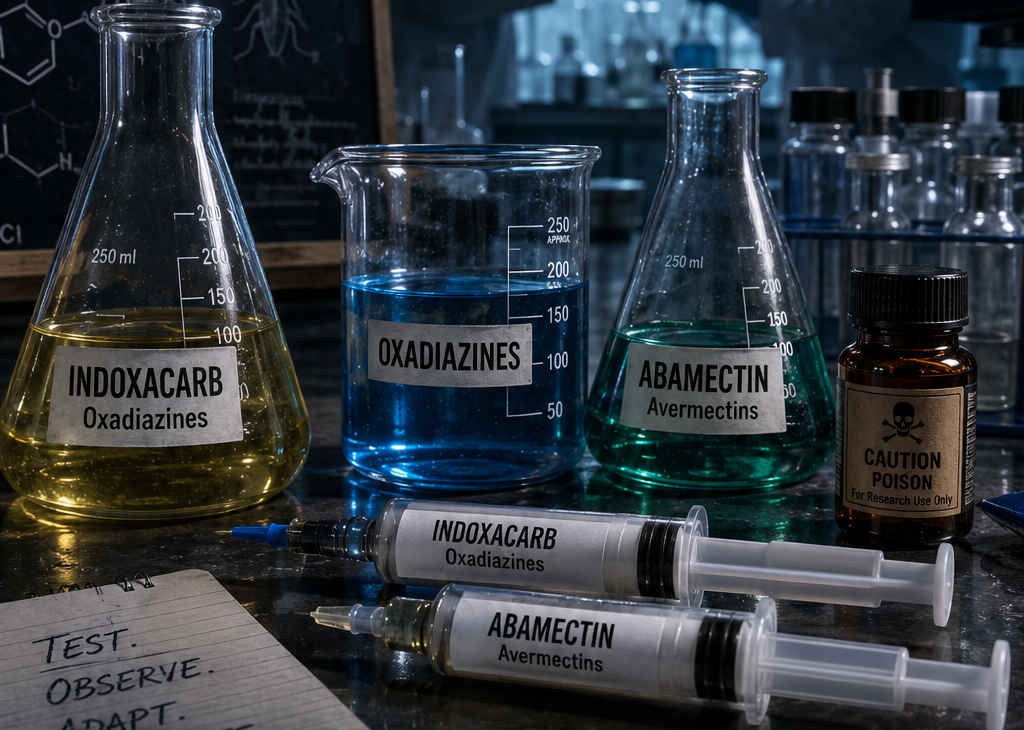
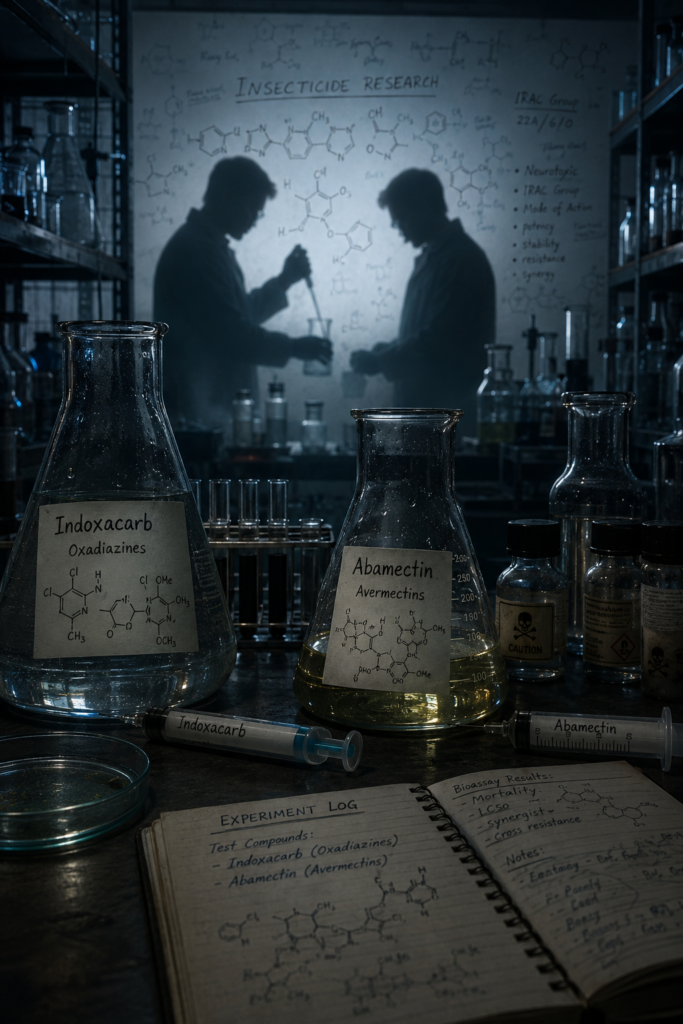
- Rotate the active ingredient too, by Mode of Action. While you’re changing the food base, change the poison class so you’re not also selecting for chemical resistance. The rotation logic from the Science of the Spray applies here. Indoxacarb, fipronil, and abamectin are different classes; cycling them denies the colony a chance to adapt to any one.
- Take away the competition. Bait competes with every crumb in the room. A colony with a greasy stovetop and an open pet-food bowl doesn’t need your bait, averse or not. Deny the alternatives (degrease surfaces, seal food, fix the drip), and even a picky roach gets driven to the only meal left.
- Don’t rely on bait alone against an adapted colony. This is where growth regulators earn their place: an IGR doesn’t need the roach to find it appetizing to shut down its ability to reproduce. (Full IGR breakdown is its own field report. Coming soon.)
The principle underneath all four: the roach evolved past one specific signal. Your job isn’t a bigger version of that signal. It’s a different one it hasn’t learned to fear yet.
The System, Restated
Glucose aversion isn’t your bait failing. It’s your bait telling you the colony adapted, and handing you the exact information you need to adapt faster:
- Sweet baits recruit roaches with sugar; the poison just rides along.
- Some German cockroaches now taste glucose as bitter: a real, heritable, spreading trait, not bad luck.
- Untouched bait + a population that persists = stop buying the same flavor.
- Beat it by switching the matrix (fat/protein over glucose), rotating the active ingredient by Mode of Action, starving out competing food, and backing bait with an IGR.
The exterminator answer to this is a monthly visit forever. The Doctrine answer is that you now understand something most technicians can’t explain to you, and understanding the mechanism is what lets you pick the counter-move yourself.
Want the full protocol? This field report covers the why and the pivot. The Roach Doctrine gives you the complete bait-rotation matrix, exact matrix-and-active pairings by phase, and the placement system that makes any bait work harder. The whole system, executed in order. Enter the Doctrine.
Sources
- Silverman, J. & Bieman, D.N. (1993). Glucose aversion in the German cockroach, Blattella germanica. Journal of Insect Physiology. View study
- Wada-Katsumata, A., Silverman, J. & Schal, C. (2013). Changes in taste neurons support the emergence of an adaptive behavior in cockroaches. Science / NC State. View study
- McPherson, S., Wada-Katsumata, A., Silverman, J. & Schal, C. (2023). Glucose- and disaccharide-containing baits impede secondary mortality in glucose-averse German cockroaches. Journal of Economic Entomology. View study
Related Intel
- The Science of the Spray: Defeating the Super-Cockroach
- Understanding Metabolic Resistance: The Biochemical Armor of the Super-Roach
- Freeze the Lifecycle: How IGRs Break the Roach Colony’s Breeding Cycle
Frequently Asked Questions
Why did my roach bait suddenly stop working after a couple of weeks?
That plateau is the classic signature of glucose aversion. Most gel baits use a sweet, glucose-heavy food base to do the luring. In an averse population, glucose trips the bitter-sensing taste cells, sugar literally tastes bitter, so the roaches walk past untouched gel and would rather starve than eat it. One caution: don’t jump here first, because bad placement and old product cause more bait failures than genetics do.
What is glucose aversion in cockroaches?
A heritable trait, first documented by Silverman and Bieman in 1993, where German cockroaches actively avoid glucose. In 2013, an NC State team found the mechanism: glucose activates the roach’s bitter receptors, so sweetness registers as disgust. It’s genetic, so it spreads through the population, and it costs the roach almost nothing, so once it’s in your walls, it stays.
Will using more bait fix glucose aversion?
No. It’s the wrong instinct. Piling on more of a sweet bait the colony has already rejected just wastes money and selects harder for the averse trait. You don’t out-muscle aversion with volume. You go around it.
How do I beat glucose-averse roaches?
Change the language, not the volume. Rotate to a bait built on a fructose, protein, or fat base instead of glucose. Averse roaches that refuse sweet gel will often take a greasy or protein-rich matrix without hesitation. Look past the brand name to the actual formulation, because two ‘different’ baits can share the same glucose base and fail identically.
How do I know it’s aversion and not just bad placement?
Read the signs. Aversion looks like full, undisturbed dots of gel days later, on a bait that worked and then quit. If the bait is being eaten but roaches persist, that’s a placement or volume problem, not aversion. And if they thrive while ignoring the gel, they’ve got a competing food source (grease, crumbs, pet food). Cut it off so your bait is the only meal in the room.