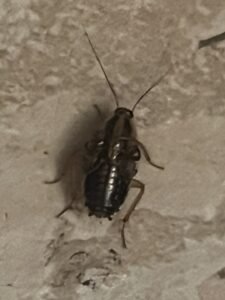
Baby German Cockroach Identification: What Every Molt Looks Like
A baby German cockroach is the single most useful thing you can find during an inspection, and most people walk right past it. It’s smaller
I’ll be honest with you: I used to be terrified of roaches. Not the kind of scared where you scream and jump on a chair (though I did that too). The kind of scared where you start questioning if you’ll ever feel comfortable in your own home again.
My breaking point came after eight months of fighting an infestation I couldn’t control. I’d tried everything: sprays, traps, boric acid, diatomaceous earth, calling the landlord weekly. Nothing worked. Every night I’d come home from work, turn on the kitchen light, and feel my stomach drop as they scattered.
I was exhausted. Embarrassed. Defeated.
Then one night, instead of grabbing the spray can, I just sat there and watched. I watched where they came from. I watched where they went. I started noticing patterns: same time, same routes, same behaviors.
And I realized something: They weren’t random. They were following a system. And if I understood the system, I could break it.
That’s when everything changed. I stopped reacting and started studying. I spent hours on exterminator forums, pest control research papers, and building maintenance guides. I learned about pheromone trails, colony hierarchies, IGRs, gel baits, water dependency, and structural vulnerabilities.
I tested everything. Some methods failed spectacularly. Some worked but only temporarily. Eventually, I found the combination that collapsed the infestation completely. And it stayed gone.
Over the next decade, I moved five more times. I helped friends, coworkers, and neighbors eliminate their infestations. I refined the process with every success and every failure. I documented what worked, what didn’t, and why. This manual is the result of all that trial and error, the same system I’ve used to eliminate roaches in studio apartments, townhouses, multi-unit buildings, and everything in between.
I’m not selling you theory. I’m giving you the exact playbook I used to go from hopeless to roach-free. Because if someone like me, who started out terrified and clueless, can master this, so can you.

A baby German cockroach is the single most useful thing you can find during an inspection, and most people walk right past it. It’s smaller

You can’t inspect your neighbor’s kitchen. You can’t make the unit below you fix its leak. You can’t stop the building from being a building,
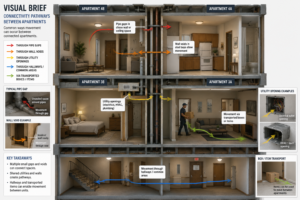
You did everything right. You baited, you sealed, you cleaned out the cabinets, and for two weeks your kitchen was clean. Then they came back.

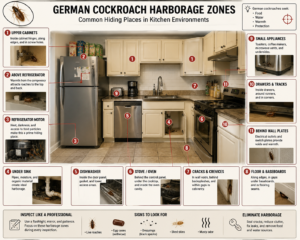
A German cockroach on your floor is not a random visitor. It’s evidence. If you’re asking why German cockroaches infest buildings, the answer is hiding

Knowing how to identify German cockroaches starts before you spray anything, because “a brown bug ran across my floor” is not an identification. Roaches get

Understanding German cockroach behavior and biology is the difference between guessing and winning because you cannot out-clean, out-spray, or out-wait an insect you don’t understand.

The German cockroach does not win because it is big. It wins because it is built for your building. Blattella germanica is a small, tan
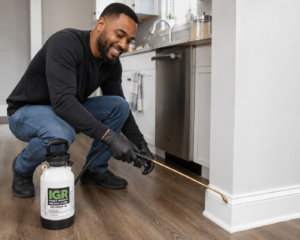
You can kill every roach you see tonight and still lose. As long as the colony keeps breeding, you’re bailing water out of a boat

When a German cockroach colony (Blattella germanica) sets up camp in a residential space, it isn’t just a physical invasion. It’s an evolutionary race. Homeowners

German cockroach resistance isn’t luck. It’s biochemistry. Inside the P450 enzyme system that lets roaches survive your spray.